whale watching · 9 min read
How Much Is Whale Watching in Cabo? (2026–27 Season Prices)
Jul 19, 2026 · Updated Sep 27, 2026
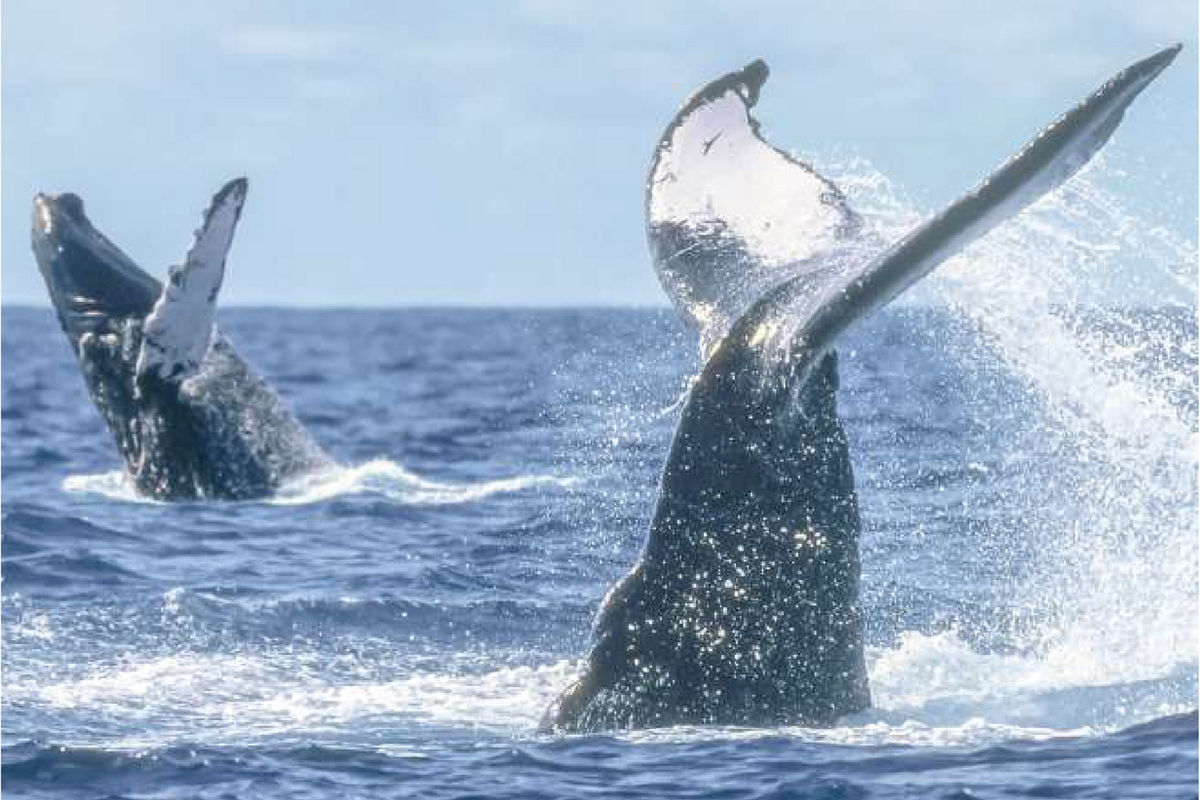
How much is whale watching in Cabo? On operators' own websites in September 2026, a shared boat or catamaran runs $73–$103 per adult, a zodiac or inflatable speedboat $76–$89, and a private charter $499–$1,190 per boat. Add a marina dock fee of $4–$5 per person and a tip. The humpbacks arrive in December and the official season last winter ran December 15 to April 30, with January and February the peak. This guide breaks down what each price buys, the rules every boat has to follow, and how the Baja Pass 2-for-1 puts two people on a partner tour for one ticket.
How much does whale watching cost in Cabo San Lucas?
Here's the price map by tour type, taken from operators' own websites on September 27, 2026 (prices are per adult unless noted; kids pay less, often about half):
| Tour type | Price per adult | Notes |
|---|---|---|
| Shared boat or catamaran | $73–$103 | About 2 hours; some include an open bar or breakfast |
| Zodiac or inflatable speedboat | $76–$89 | Closer to the water; minimum age 5–8 |
| Private charter | $499–$1,190 per boat | Your group only |
| Baja Pass Luxury Whale Watching | $97 online · 2-for-1 | 2.5 h catamaran, lunch, open bar, hydrophone |
| Baja Pass Whale Photo Safari | $76 online · 2-for-1 | 2 h inflatable boat; photos sold separately |
What's usually extra: the marina dock fee ($4–$5 per person, cash at the pier), hotel transport if you need it (around $15 per person), and a tip — local guides suggest $5–$10 per person on group tours and about 10% on private ones.
A couple on a shared tour at full price is therefore looking at roughly $150–$210 plus fees. Keep that number handy for the pass math below.
The two Baja Pass whale tours — and the 2-for-1 math
Baja Pass is a one-time $75 digital pass, valid 365 days, covering the member plus one guest — and both partner whale tours are 2-for-1: two board, one pays.
- Luxury Whale Watching — $97 online: 2.5 hours on a double-deck catamaran with a hydrophone to hear the whales sing, lunch and an open bar with appetizers. Ages 5 and up.
- Whale Photo Safari — $76 online: 2 hours on an inflatable speedboat with a marine mammal specialist and a hydrophone, open bar with canapés. Photos are available to buy, not included. Ages 5 and up, not for pregnant guests.
The math: a couple on the luxury tour pays $97 instead of $194 — the free seat is worth more than the whole $75 pass on one two-hour trip. On the photo safari the free seat ($76) covers the pass on its own. And because whale season overlaps peak travel season, the same pass keeps working all week: 2-for-1 on the other partner activities, 2x1 mains at El Squid Roe from noon to 5pm (except holidays), and 50% off yachts and sport fishing. Honest fine print: the $4 dock fee and the $15 hotel transport are per person and not part of the 2-for-1. Run your own trip through the savings calculator.
When is whale season in Cabo — and when is the peak?
The official window is set each year by Mexico's environment ministry (SEMARNAT). For the 2025–26 season it ran December 15 to April 30 for Cabo San Lucas, San José del Cabo and Cabo Pulmo. The notice for 2026–27 usually comes out in October; plan on a similar window. Many operators advertise December 15 to April 15, and that's the practical sweet spot: whale numbers build through December, peak in January and February with mothers, calves and the most breaching, and thin out after March. For the rest of Cabo's calendar, see our best time to visit Cabo guide.
Which whales will you see?
Mostly humpbacks. The population that winters here breeds along Mexico's Pacific coast and spends the summer feeding from California up to the Aleutian Islands in Alaska — and it's the humpback's breaching and tail-slapping that make Cabo's tours famous. Gray whales pass Cabo roughly January to March, but they calve in the Pacific lagoons further north (Magdalena Bay, San Ignacio and Ojo de Liebre); if touching-distance gray whales are the dream, that's a separate trip. Fin whales turn up now and then; blue whales are rare off Cabo itself and seen mainly in the Sea of Cortez to the north.
The rules on the water (and why they're good for you)
Whale watching in Mexico is regulated by the NOM-131 standard: operators need a SEMARNAT permit, boats keep at least 60 meters from a whale (80 meters for bigger boats), no more than four boats may watch one group, each boat gets 30 minutes, and nobody gets in the water with the whales. Boats also can't come between a mother and calf, and the port and a 2 km ring around the Arch are off limits for whale watching. None of this ruins the show — humpbacks breach whether you're 60 meters away or 600 — and a permitted captain who knows the rules will position you for behavior, not just proximity. Ask to see the permit if a price looks too good to be true.
Which whale watching tour is worth it?
Take a shared catamaran if…
You're traveling with kids, grandparents, or a stomach that doesn't love boats. Bigger hulls ride the swell better, there's shade and a bathroom, and many include drinks. It delivers the core miracle — forty-ton animals launching out of the Pacific — without ceremony, and it slots into a cheap, very good day with the ideas in our Cabo on a budget guide.
Take the zodiac if…
You want to be low on the water and closer to eye level when a whale surfaces, and you don't mind spray. It's usually the cheaper seat, too. Skip it with back problems or during pregnancy — operators will tell you the same — and expect to get a little wet.
Book a private charter if…
You're a group of four to six, you want your own timing, or it's a celebration. At $499 and up per boat, the per-person cost comes close to shared seats once the boat is full.
Are sightings guaranteed?
No one can command a wild animal, but in January and February sightings off Cabo are close to certain. Some operators put it in writing — see no whales and you ride again free — and others don't offer any guarantee at all. Ask before you pay, and get the policy in writing.
What about whale sharks? (Different animal, different trip)
Whale sharks aren't whales — they're gentle, plankton-eating sharks the size of a bus, and you snorkel with them rather than watch from a boat. They gather in the Bay of La Paz, about two hours from Cabo. The official season (managed by CONANP) ran October 1 to April 30 last year, though tours actually started around late November, and the number of boats and swimmers per shark is capped. Full-day trips from Cabo ran $190–$425 on operators' sites; the partner Whale Shark Encounter is $202 online, about 8 hours with transport, gear and lunch, runs November through March and is 2-for-1 with Baja Pass. Because the seasons overlap from December to March, you can do both in one trip.
Booking tips that save money (and the trip)
- Book the morning: calmer seas and better light; your stomach will thank you.
- Reserve ahead in January–February: peak-season boats sell out, especially zodiacs with capped seats.
- Bring layers and cash: winter mornings on the water are cool, and the dock fee is paid in cash at the pier.
- Motion sickness? Take the pill an hour before boarding, choose the catamaran, and sit midship facing forward.
- Check the permit and the guarantee before you pay.
Bottom line: what should you budget for whale watching in Cabo?
Budget $73–$103 per adult on a shared boat, $76–$89 by zodiac, or $499 and up for a private charter — plus $4–$5 in dock fees and a tip — and go between mid-December and April, ideally January or February. With a Baja Pass, a couple boards a partner tour for one ticket, which pays for the pass in a single outing. For species, sightings and photography tips, continue with our full Cabo whale watching guide — and if you're pricing the rest of the water day, what snorkeling costs in Cabo is the companion piece.
Prices checked on September 27, 2026 on operators' own websites; Baja Pass partner prices are the operator's online price checked September 25, 2026. Season dates are from SEMARNAT's official notice for 2025–26 and the whale shark season from CONANP. Prices and dates change — confirm when you book.
Frequently asked questions
How much is a whale watching tour in Cabo San Lucas?
On operators' own websites in September 2026, a shared boat or catamaran costs $73 to $103 per adult for about two hours, a zodiac or inflatable speedboat $76 to $89, and a private charter $499 to $1,190 per boat. Kids pay less, often about half. Add a $4 to $5 marina dock fee per person and a tip of $5 to $10 per person on group tours.
When is whale watching season in Cabo?
Mexico's environment ministry sets the official window each year; for 2025–26 it was December 15 to April 30 for Cabo San Lucas, San José del Cabo and Cabo Pulmo, and the 2026–27 notice usually comes out in October. January and February are the peak, with the most whales, mothers with calves and breaching.
What whales can you see in Cabo?
Mostly humpbacks, which winter off Mexico's Pacific coast and feed in summer from California to Alaska. Gray whales pass Cabo from about January to March on their way to calve in the Pacific lagoons further north. Fin whales are occasional and blue whales are rare off Cabo itself.
Are whale sightings guaranteed in Cabo?
Not by nature, but in January and February they are close to certain. Some operators offer a free re-ride if you see no whales and others offer no guarantee, so ask for the policy in writing before you pay.
How close can boats get to the whales?
Under Mexico's NOM-131 rules, boats must stay at least 60 meters away (80 meters for larger boats), no more than four boats may watch one group, each gets 30 minutes, and swimming with whales is not allowed. The port and a 2 km ring around the Arch are closed to whale watching.
What is the difference between whale watching and the whale shark tour?
Whale watching happens off Cabo itself, observing humpbacks from a boat. Whale sharks are filter-feeding sharks, not whales, and you snorkel with them in the Bay of La Paz, about two hours away. Their official season ran October 1 to April 30 last year, and a full day from Cabo costs about $190 to $425; the Baja Pass partner trip is $202 and 2-for-1.
How does the Baja Pass 2-for-1 work on whale watching tours?
Baja Pass is a one-time $75 digital pass valid 365 days that covers the member plus one guest. On the two partner whale tours — Luxury Whale Watching ($97 online) and the Whale Photo Safari ($76 online) — two people board and one ticket is paid, so one trip saves about as much as the pass costs or more. Dock fees and hotel transport stay per person at full price.
Ready to save on all of it?
One Baja Pass covers 2x1 dining & activities and 50% off yachts and fishing across Los Cabos — you and a guest, all year.
Get your Baja Pass — $75Planning your Cabo trip?
Get our quick savings plan — how travelers do 2x1 dining, 2x1 activities and half-price yachts. Two emails, no spam.
Keep reading
More Cabo guides

How Much Does Snorkeling Cost in Cabo? (2026 Prices)
Real 2026 snorkeling prices in Cabo San Lucas — group boats, luxury catamarans, Cabo Pulmo day trips and gear rental, plus the Baja Pass 2-for-1 math.
Read more →
How Much Does an ATV Tour Cost in Cabo? (2026 Prices)
Real 2026 numbers for ATV and UTV tours in Cabo San Lucas — per-person prices, damage deposits and tips, plus how a couple rides two-for-one with Baja Pass.
Read more →
Cabo San Lucas Shore Excursions (2026): A Cruise-Day Guide & Discounts
A practical guide for cruise passengers in Cabo San Lucas: how you get ashore, which tours fit a 7- to 10-hour port day, what ships charge versus booking direct, and the 2-for-1 shore excursions on Baja Pass.
Read more →
What to Do in Cabo San Lucas: The Short List That Matters
The no-filler short list for Cabo San Lucas: El Arco, Medano Beach, Land's End, the activities worth booking 2-for-1, and the daytime spot for 2x1 mains.
Read more →
The Best Things to Do in Cabo San Lucas (2026 Guide)
From ATV desert rides to the Arch, snorkeling Cabo Pulmo and whale watching, here are the best things to do in Cabo San Lucas in 2026 (and how to do them 2-for-1).
Read more →
Cabo San Lucas on a Budget: How to Save Hundreds (2026)
A practical 2026 guide to doing Cabo San Lucas on a budget — how 2-for-1 dining, half-price yachts and free beaches add up to hundreds in savings.
Read more →